Pushback
Plymouth Tried a Common Store First. Mamdani's City-Run Groceries Should Study What Happened
New York is spending $70 million to put the city in the grocery business. On Thanksgiving, the Pilgrims of 1623 and a small Florida town that tried the same idea offer a warning worth hearing.
By BENJAMIN STONEStaff Correspondent · NEW YORK · Nov 26, 8:30 PM · 5 min. read
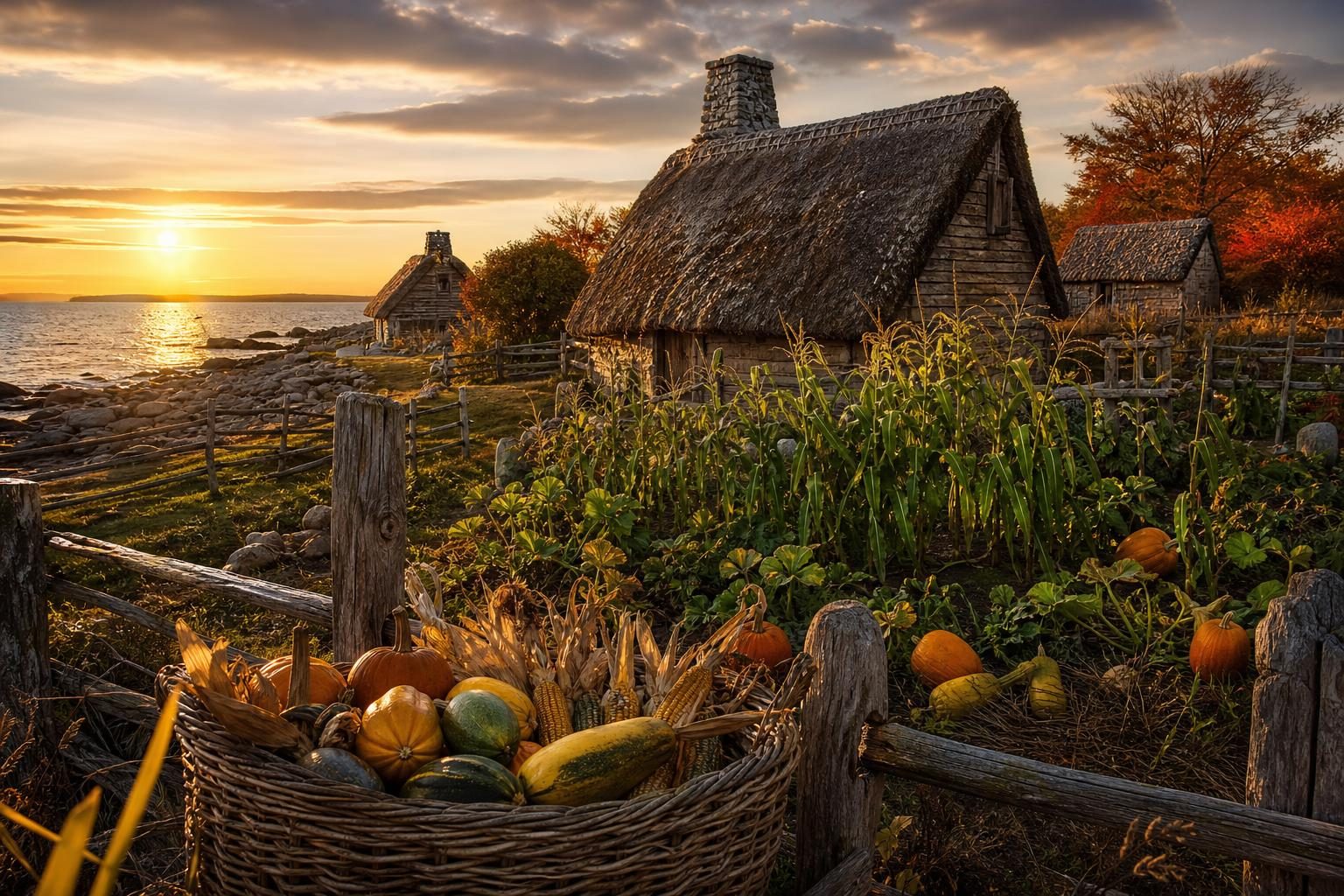
Illustration · Liberty Bell Report
Every Thanksgiving, Americans retell the story of a harvest that came close to never happening. This year the story has an unexpected new audience: the mayor of New York City and the voters who will pay for his plan to put the government in the grocery business.
What New York Is Building
Mayor Zohran Mamdani's administration is spending $70 million on five city-run grocery stores meant to sell essentials at 30 percent below retail prices, according to an analysis by The Conversation republished by Fortune. The city plans to own the sites and cover overhead costs, while hiring a private operator to run each store day to day, Fox Business reported. Mamdani recently announced a Bronx location that is set to open next year.
Supporters want the program to outlast this mayor. A bill introduced in the City Council would make the city-owned stores permanent and expand the count to five per borough, Reason reported. That would mean 25 government-backed grocery stores in a city where corner bodegas and independent supermarkets already fight for every customer.
The goal is a sympathetic one. Food prices have squeezed working families, and no one wants a mother in the Bronx paying more for eggs and bread than she can afford. But good intentions are where a policy begins, not where it should be judged. The test is what happens when the ribbon is cut, the grant money runs low and the store has to make it on its own. Americans have run that test before.
The Lesson Bradford Wrote Down
The Pilgrims who landed at Plymouth in 1620 did not set out to build a free-market colony. Under the terms set by the investors who financed the voyage, the settlers were to farm in common and draw from a common store, the arrangement Governor William Bradford called the "common course and condition," as the Hoover Institution has recounted.
Fairness requires saying what some modern retellings leave out. Hoover's economists note that the communal system was largely the investors' demand, and that the Pilgrims went along because they had little choice, not because they were trying to copy the early church. Plymouth was not an experiment in ideology. It was an arrangement imposed from outside, accepted under pressure.
What happened next is the part that matters. The common system bred shortages and resentment, and in 1623 Bradford assigned each family its own parcel of land to work for its own household. The change transformed the colony. Bradford wrote that it made all hands very industrious, with families planting far more corn than before. He recorded that women now went willingly into the fields and took their children with them to plant, because the harvest was finally their own.
The colony that had nearly starved began to feed itself, and the story of that turnaround has been retold this Thanksgiving by writers on the right, including PJ Media. The point is not that the Pilgrims were early free-market theorists. It is something simpler and more durable: when the reward for work is separated from the people doing the work, the work suffers, no matter how noble the plan.
The Florida Town That Tried It in 2019
Plymouth may feel distant. Baldwin, Florida, does not.
When the small town west of Jacksonville lost its only commercial grocery store, its leaders did something few American towns have ever tried: they opened a grocery of their own. Baldwin Market opened in 2019, its workers were on the town payroll and the town covered its day-to-day expenses, News4JAX reported. The aim was modest. The town did not want a profit. It wanted to break even and keep fresh food within reach of residents who otherwise faced a long drive.
It did not work. The store struggled for years to reach the break-even point, and the town council decided it could not keep running losses in what Mayor Sean Lynch called a very tough business, News4JAX reported. Early sales had been strong, but they did not last, and the mayor's office pointed to a customer base too small to carry the store. The store was set to close in March 2024, sending residents back to driving miles down Interstate 10 to Macclenny or into the Jacksonville suburbs to buy groceries.
Baldwin's leaders deserve credit, not mockery. They saw a real need, acted honestly, measured the results and stopped when the numbers said stop. That is how a small town with a small budget learns. The question for New York is whether a far larger government, with a far larger budget and a political brand riding on the outcome, will be as willing to look at the numbers and change course.
Who Pays for 30 Percent Off
A 30 percent discount is not a gift from nowhere. Grocery stores run on thin margins, and when a store sells staples well below what they cost elsewhere, someone covers the gap. In New York's plan, the city is taking on the land and overhead, which means taxpayers carry the costs a private grocer would carry itself.
Those taxpayers include the owners of the city's bodegas, who are already raising alarms. The Conversation's analysis noted that bodegas are fighting back against the plan, and Reason has described the program as building taxpayer-funded competitors to the small shops the mayor has praised. A bodega owner in the Bronx pays rent, taxes and wages. Under this plan, he will help pay those same costs for a government-backed store down the street that can undercut his prices.
There is also a quieter lesson in the city's own design. If New York has concluded that rent and overhead are what keep good grocery stores out of struggling neighborhoods, it has identified the right problem. The answer is to lower those burdens for every grocer willing to open a door, through lighter taxes, faster permits and safer streets, rather than lifting them for a handful of stores the city picks.
Gratitude and the Work of Our Hands
Thanksgiving is, at its root, a day of thanks to God for the harvest. The Pilgrims did not take that harvest for granted, and neither should we. Scripture says that in all labor there is profit (Proverbs 14:23), and Plymouth's story is a reminder that gratitude and honest work have always gone together. The families who planted their own plots in 1623 were not less generous for owning their harvest. They had more to share.
That is the part of the American story that the grocery debate should not forget. Charity, churches and neighbors have always stepped in when families fall short, and on Thanksgiving week they are doing it again across the country. What has never worked, from Plymouth's common store to a small town's well-meaning market, is asking a government to do what a free people, rewarded for their own work, will do better.
What Comes Next
New York's first city-run store is set to open in the Bronx next year, and the City Council has yet to act on the bill that would make the program permanent and expand it. The bodegas, independent grocers and taxpayers who will compete with or pay for these stores still have time to make their case.
The fairest thing anyone can do is what Baldwin did: count the costs honestly and publish the results. If the stores lower prices without draining the treasury or crushing the corner shops, the numbers will show it. If they do not, New Yorkers will have learned, at a steep price, a lesson Governor Bradford wrote down more than four centuries ago.
Sources
- Fortune (The Conversation): NYC is spending $70 million on 5 city-run grocery stores that will price essentials 30% below retail, and bodegas are fighting back (link)
- Fox Business: NYC lawmakers consider making Mamdani's city-owned grocery stores permanent (link)
- Reason: The Mayor Who Loves Bodegas Is Building Taxpayer-Funded Competitors (link)
- Hoover Institution: How Private Property Saved the Pilgrims (link)
- PJ Media: The Pilgrims Tried Socialism and It Almost Killed Them (link)
- News4JAX: 'It was a staple for us': Baldwin's town-owned market expected to close in March (link)
— 30 —