Pushback
Good Advice, Bad Law: California Turns a Seat-Belt Checklist Into a $490 Ticket
Some viral posts overstated it, but the real law still lets an officer second-guess the parents of children as old as 16.
By JACK HOLLISTERStaff Correspondent · CALIFORNIA · Nov 26, 7:00 PM · 3 min. read
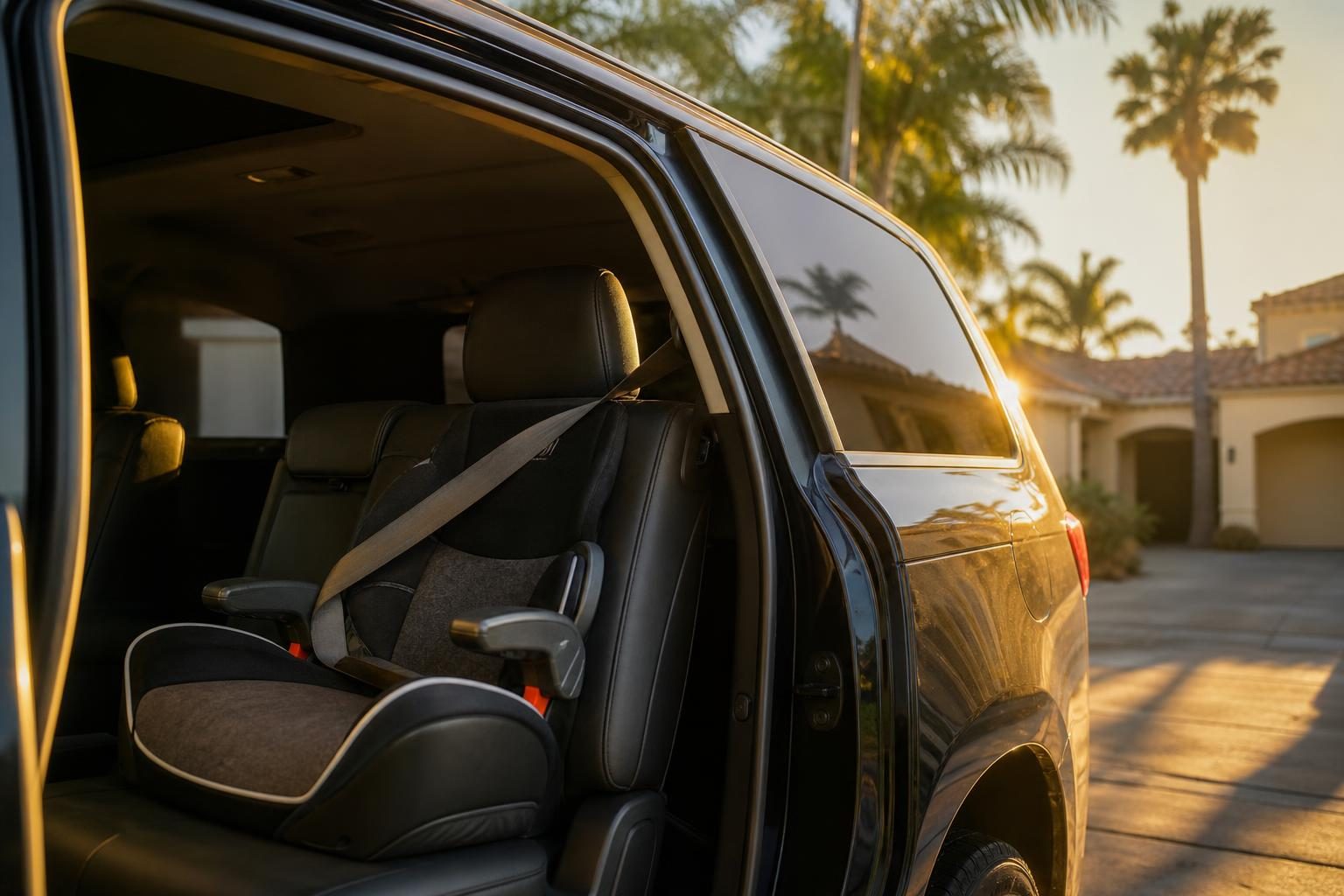
Illustration · Liberty Bell Report
Starting Jan. 1, parents in California will need to know a five-step checklist by heart, because the state will be able to ticket them when a child fails it.
The New York Post reported Thursday that a new California law could force teens as old as 16 into booster seats unless they pass a seat-belt fit test. The story raced across social media over the holiday, and some posts made it sound as if every high schooler is headed back to a booster. The reality is narrower than that. But the law Gov. Gavin Newsom signed still deserves the pushback it is getting.
What the Law Actually Does
Assembly Bill 435 does not put every teenager in a booster seat. California's existing rule, which requires a booster until a child turns 8 or reaches 4 feet 9 inches, stays the same, CalMatters reported when Newsom signed the bill. Jalopnik, which fact-checked the viral claims, made the same point: the version that passed keeps the current booster requirement and adds a test for older children.
The new part is the test. Beginning in 2027, children from 8 to 16 must pass a five-step seat-belt fit test to count as properly restrained by an adult belt. According to UC Davis Health, the steps ask whether the child sits all the way back against the seat, whether the knees bend comfortably over its edge, whether the belts cross the right places on the hips and chest, and whether the child can stay that way for the whole ride. Miss one, and the child is supposed to be back in a booster.
Supporters, including child-safety experts at UC Davis Health, say the test protects children whose bodies are not ready for an adult belt. That is sound advice. Parents should know it, and many already use it.
Where the Law Goes Wrong
The problem is not the checklist. It is the ticket. If a driver cannot answer yes to all five questions about a belted child, the driver could face a ticket and fines of $490, according to LAist reporting cited by Jalopnik. UC Davis Health puts the penalty at nearly $500 for each child who is not properly secured.
Think about what that means on the road. An officer will now be expected to judge whether a 14-year-old's knees bend comfortably and whether a 16-year-old can sit still for an entire trip. Those are judgments mothers and fathers make every day about a child they know well. They are not measurements an officer can take through a car window. Good safety advice becomes a matter of roadside opinion, and the family budget pays for the disagreement.
It is also worth remembering how far Sacramento first wanted to go. An earlier version of the bill would have kept smaller teenagers out of the front seat, and those limits were dropped only after pushback from Democrats in the Assembly, CalMatters reported. When a bill has to be trimmed back by members of the governor's own party, the instinct behind it was to manage families, not to inform them.
Trust the People Who Buckle the Belt
None of this means seat belts do not matter. They do, and every parent wants a child to come home safe. That shared goal is exactly why the decision belongs where it has always belonged. The people best placed to decide when a child has outgrown a booster are the parents who buckle that child in every morning and know how the child sits, slouches and sleeps on a long drive.
The state has a useful role here. It can publish the five steps, explain them in plain language and make sure every family hears about them before January. What it should not do is turn a parent's judgment into a citation, or treat a 15-year-old's posture as a matter for traffic court.
What Comes Next
The law takes effect Jan. 1, 2027, according to the New York Post. Between now and then, parents can run the five-step test at home using the guidance UC Davis Health and other safety groups have published. When lawmakers return in the new year, any one of them could file a bill to keep the test as guidance and drop the fine.
Parents who believe the state should trust them with their own children have a month to say so, and a simple case to make: the safety advice is good, and families are already following it. The ticket is what California got wrong.
Sources
- New York Post: New California law could force teens as old as 16 into car booster seat unless they pass certain test (link)
- CalMatters: Think your kid's done with a booster seat? New California law says maybe not (link)
- Jalopnik: No, California Is Not Making All 13-Year-Olds Ride In Booster Seats (link)
- UC Davis Health: California's 2027 booster seat laws and what parents should know about the new rules (link)
— 30 —