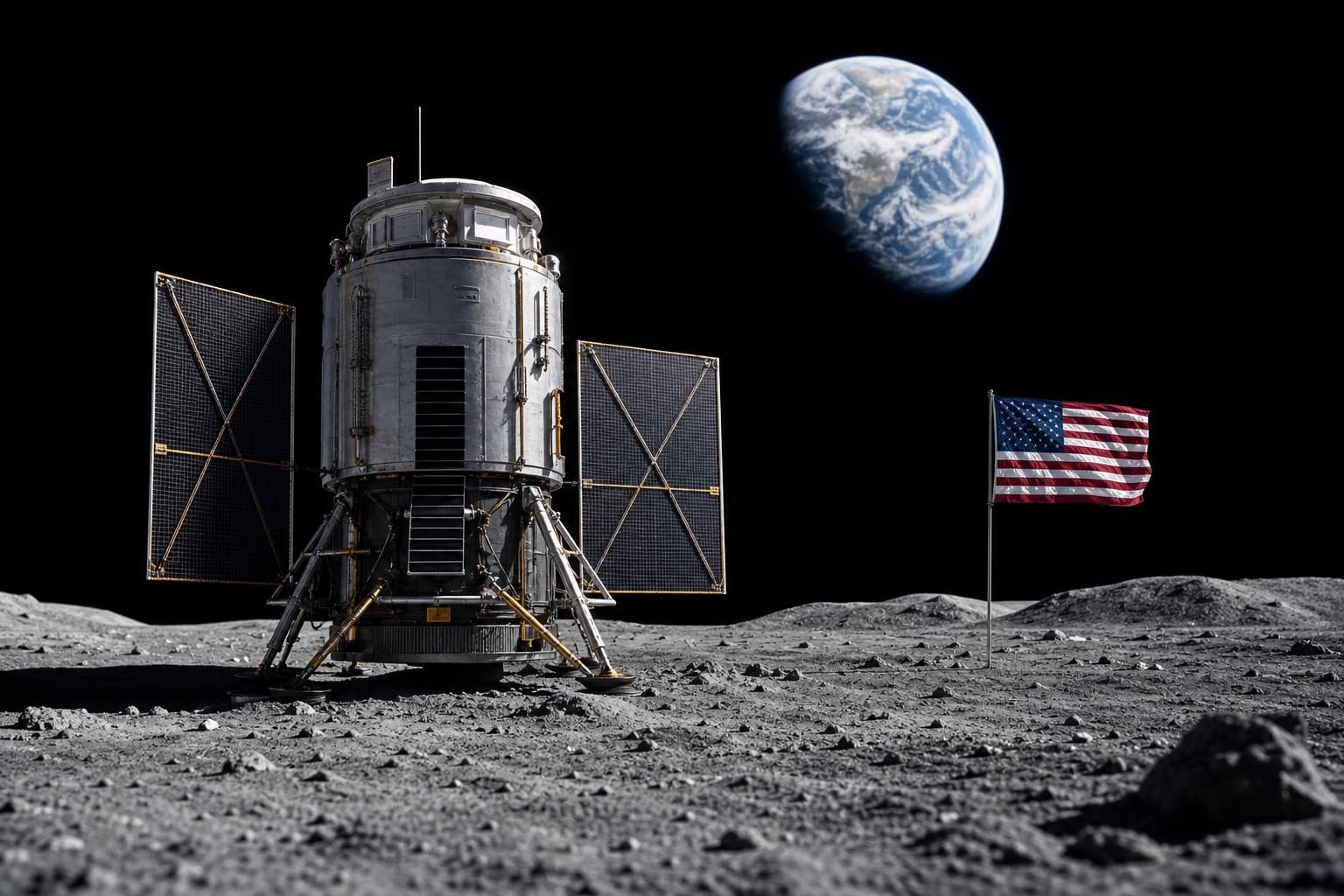
NASA Opens Bids on Lunar Reactor-1, a Nuclear Power Plant for the Moon by 2030
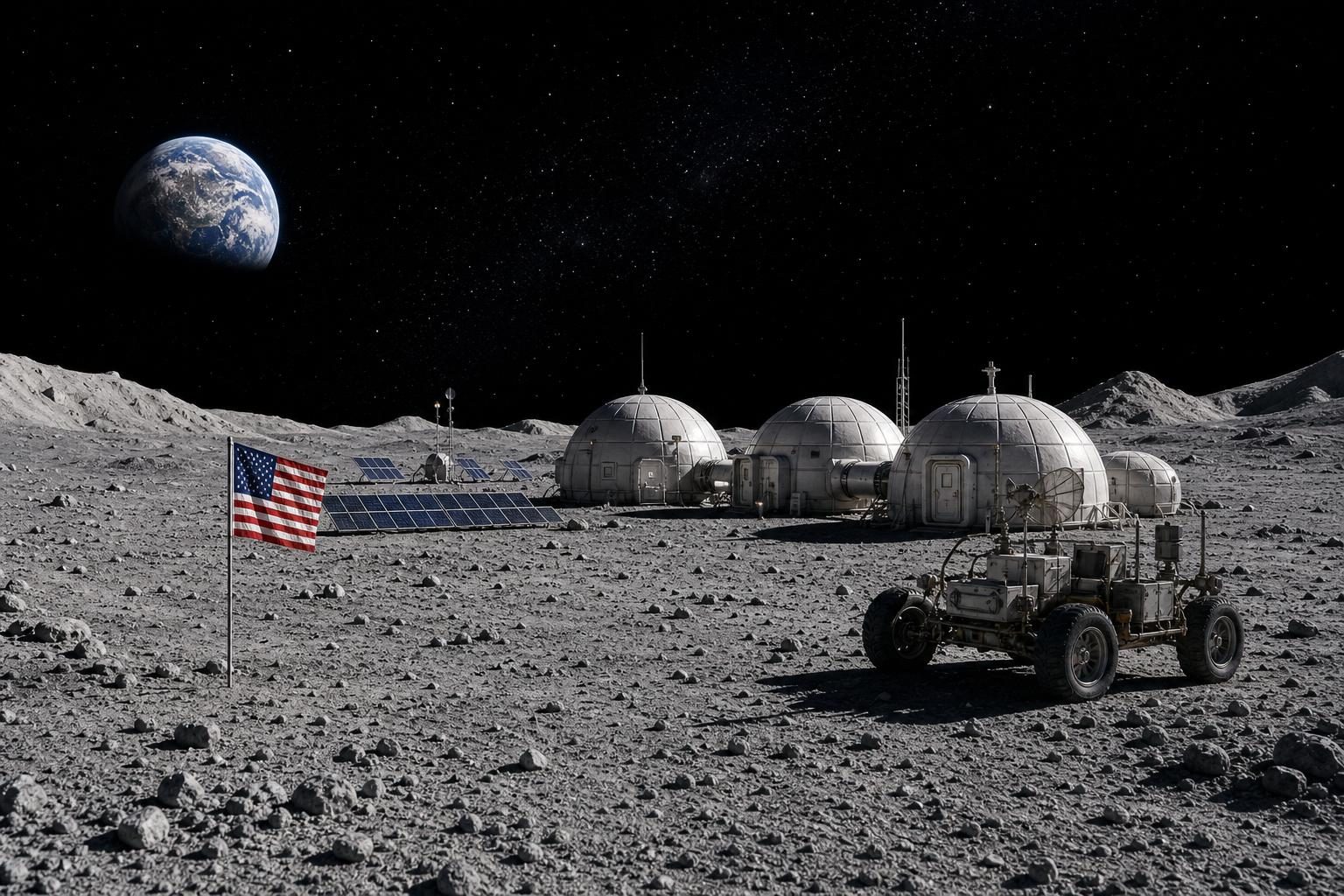
NASA has opened bidding on a 20-kilowatt fission reactor meant to power a South Pole Moon Base by 2030, as China and Russia pursue a reactor of their own.
Conservative news from the nation’s capital
NASA has opened bidding on a 20-kilowatt fission reactor meant to power a South Pole Moon Base by 2030, as China and Russia pursue a reactor of their own.
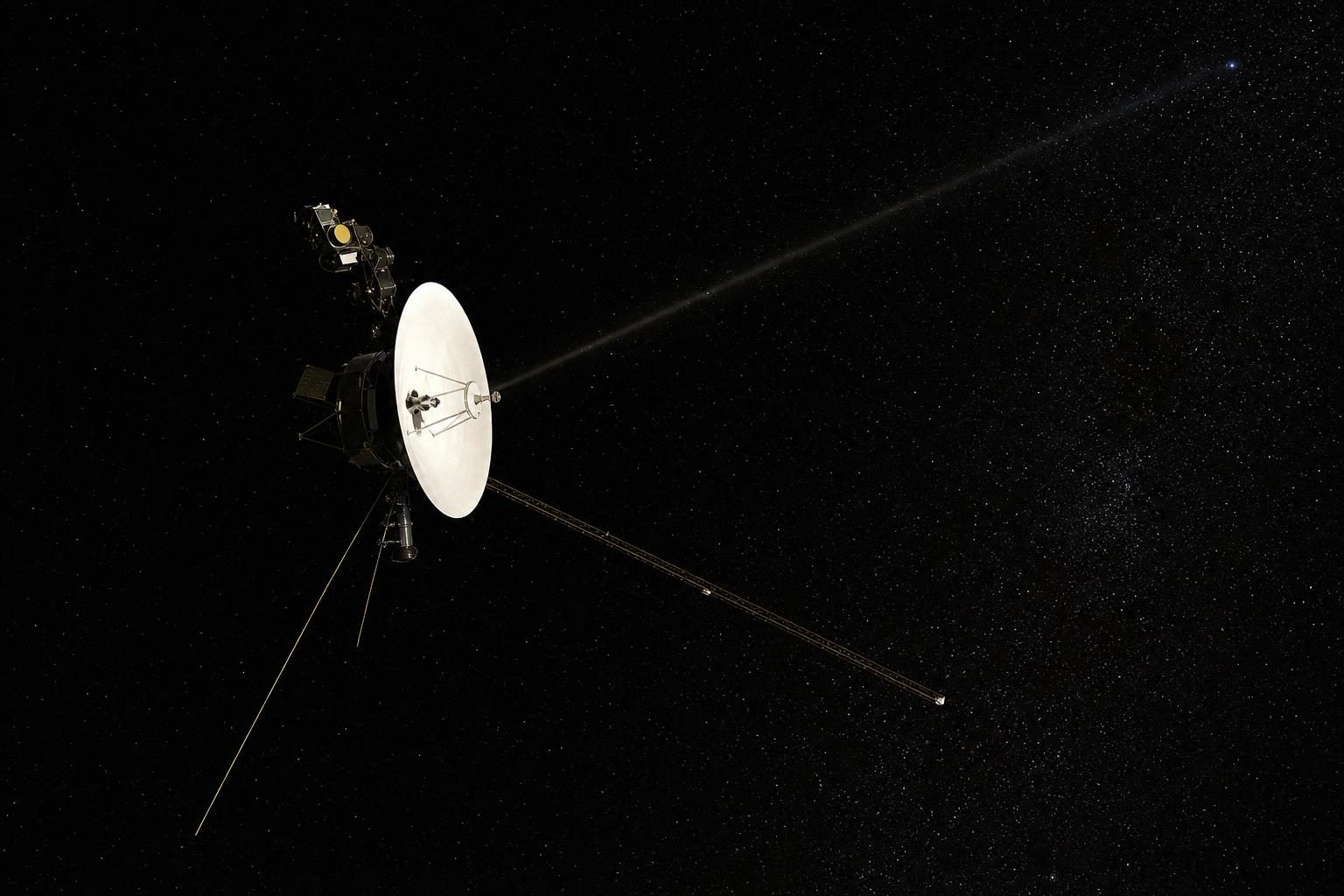
Days after becoming the first human-made object one light-day from Earth, the 49-year-old probe is sending home only a bare signal, and NASA engineers are working the problem from 16 billion miles away.
Shenzhou-24 is scheduled to lift off Tuesday evening U.S. time, carrying the first foreign visitor to China's Tiangong station as Beijing courts partners in space.
No storm is forecast, but a moderate burst of solar activity could paint the sky green along the Canadian border, and the best odds may come in the early hours of Monday.
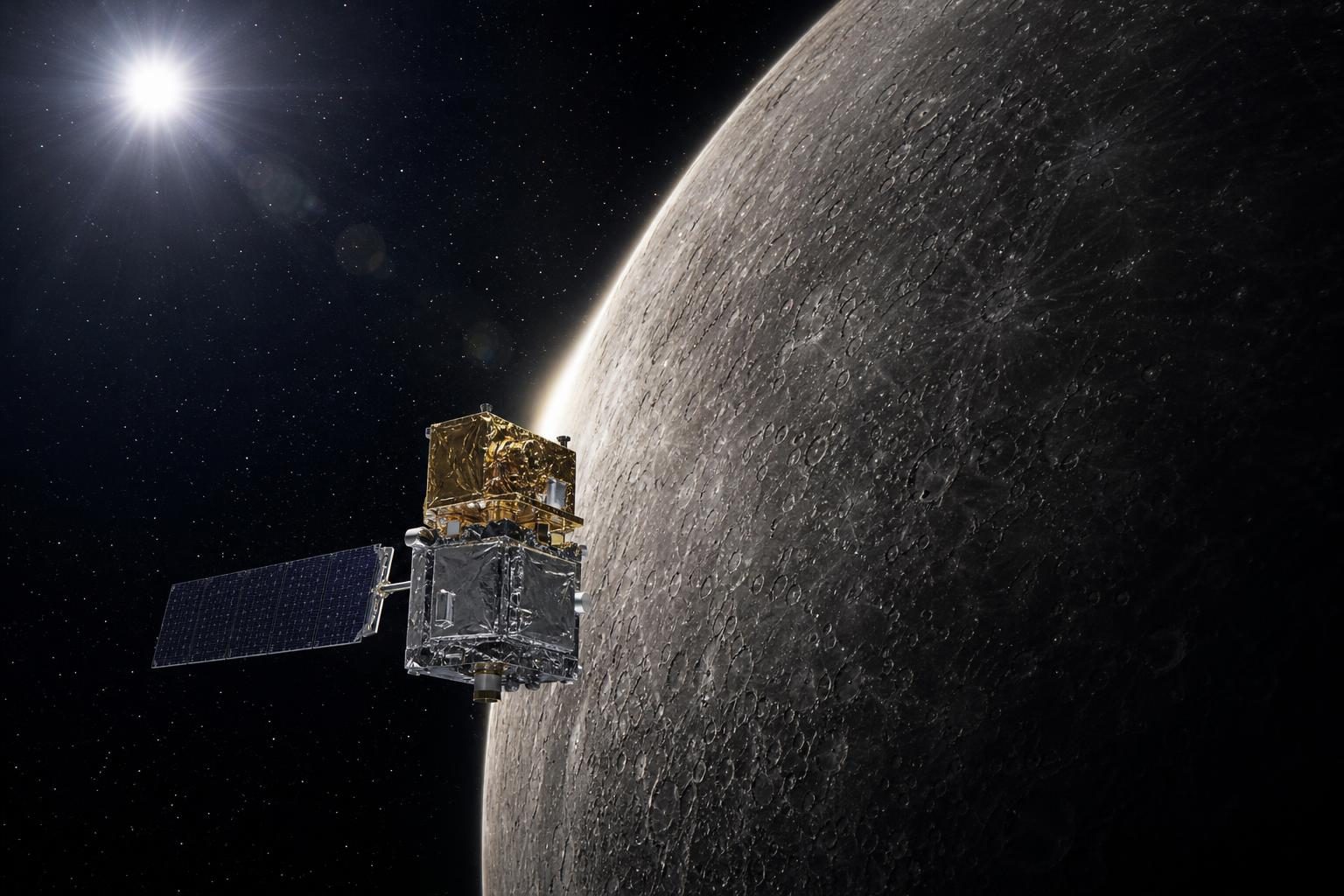
Only the second mission ever to orbit the solar system's innermost planet arrived Saturday after an autonomous braking burn, a year-long delay and a long, anxious wait for confirmation. Here is what it will try to learn, and what comes next.
The new Moon Base Student Challenge asks young Americans to tackle power, construction, life support and astronaut safety. No engineering degree required, and registration is open until Jan. 25.
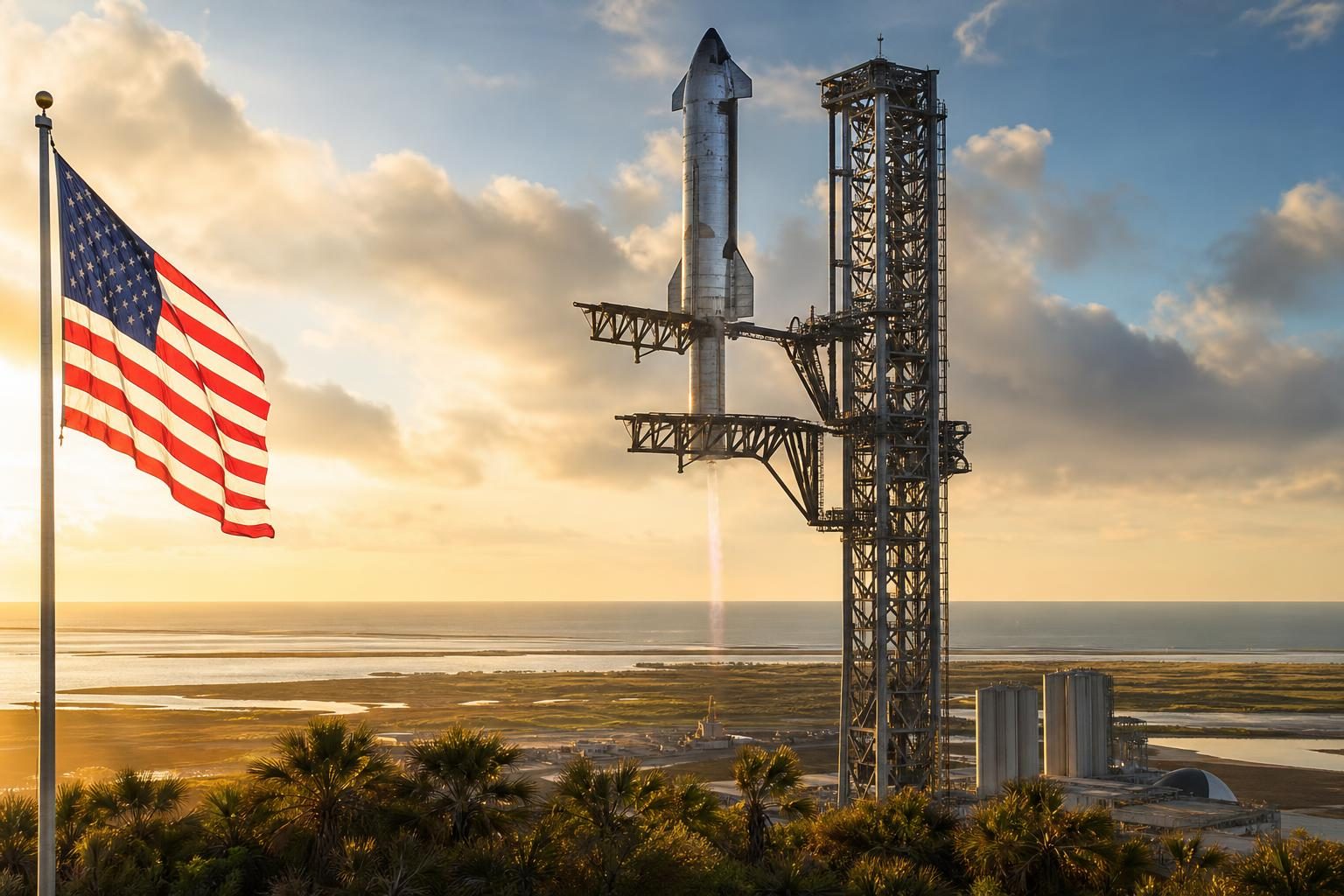
A day after its booster was lost in the Gulf, Ship 42 came back from nearly 22 hours in orbit and was plucked out of the air at Starbase, the first time a spaceship has been recovered this way.
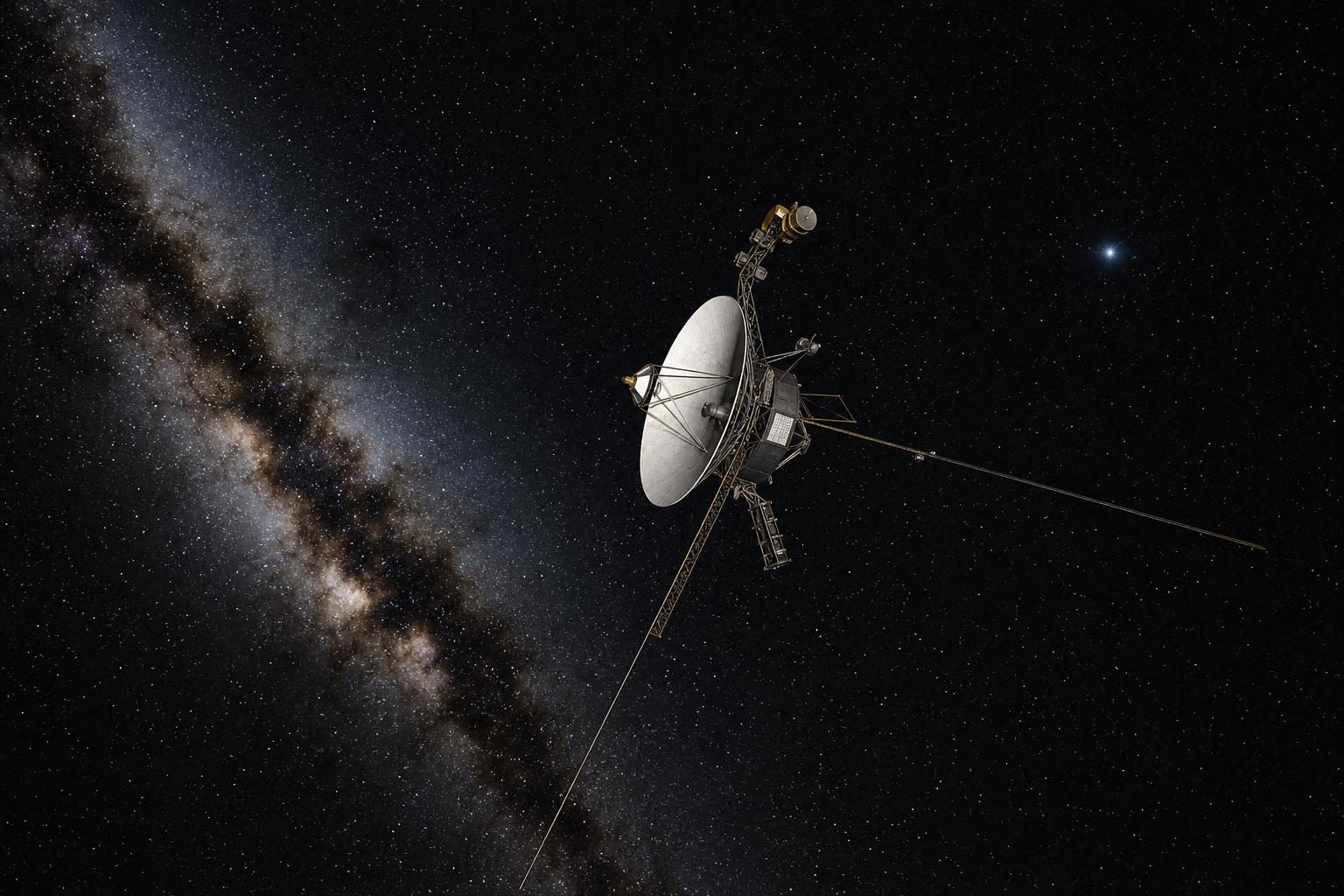
Launched in 1977, NASA's farthest spacecraft is days from a distance so great that its signals need a full day to reach home, and it is still sending data.
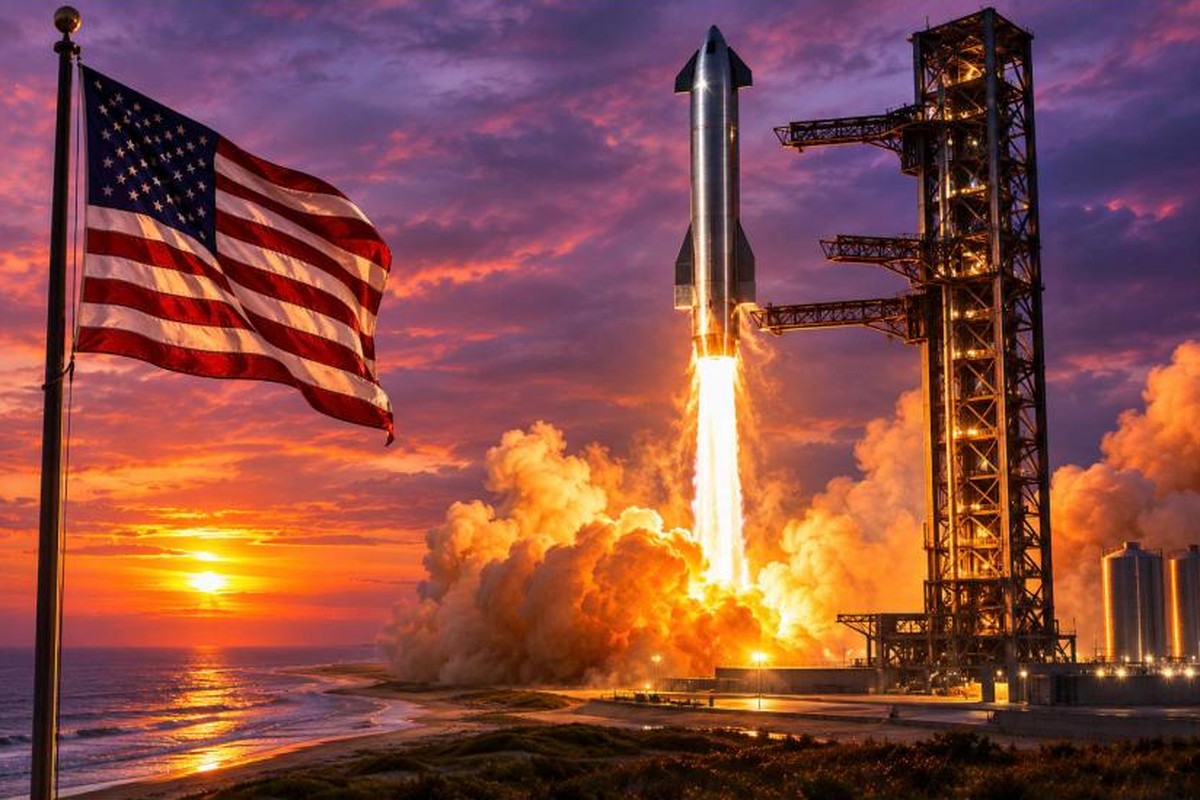
The Super Heavy booster was sent into the Gulf by an automatic abort and exploded, but Ship 42 reached orbit, released 26 Starlink satellites and is still headed for a first-ever tower catch on Saturday afternoon.
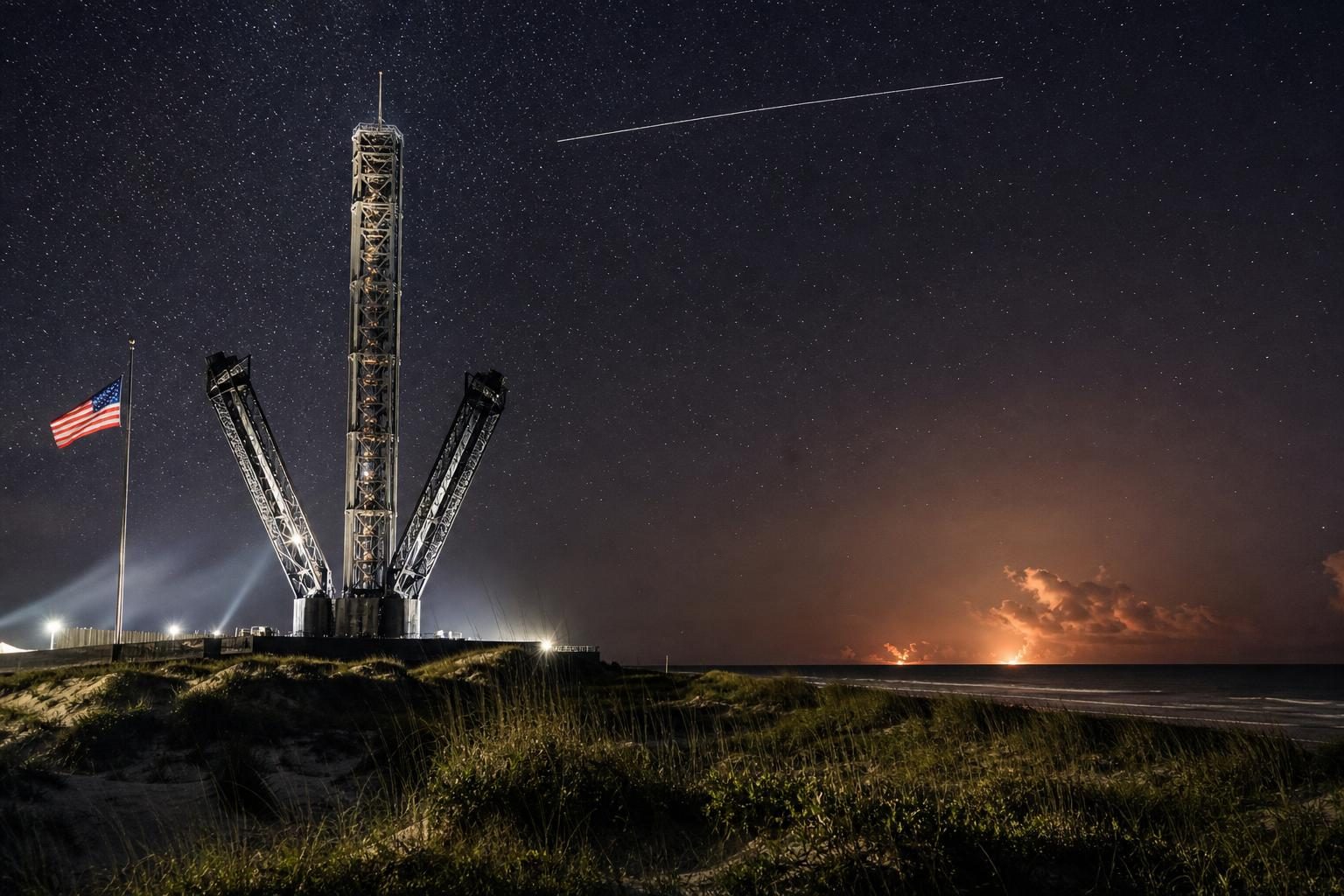
Flight 15 lifts off from South Texas as early as 5:45 p.m. Eastern. The booster comes home in minutes; the ship flies 22 hours, crosses the Rio Grande Valley and tries to land in the tower's arms on Saturday.
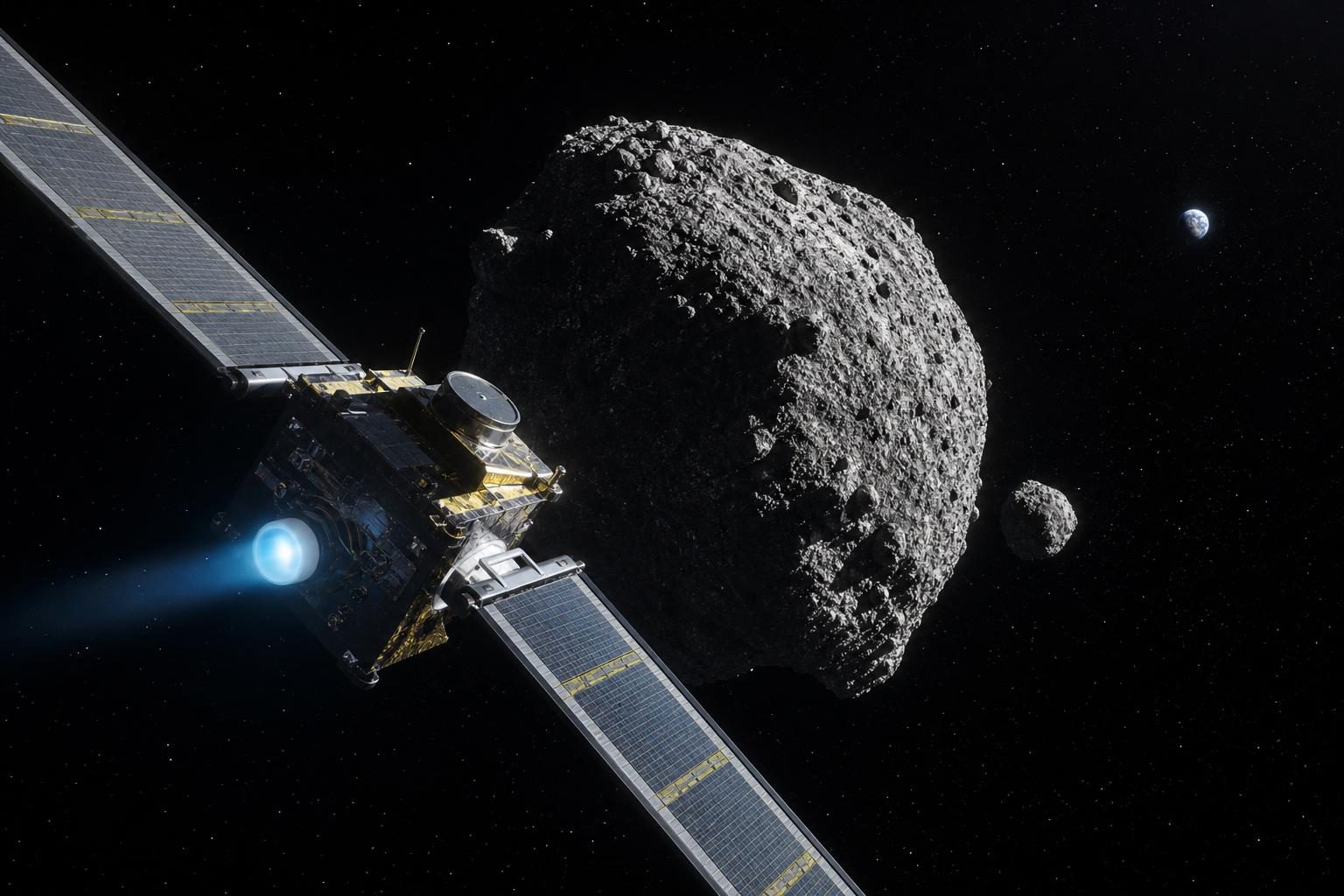
Four years after America's DART mission knocked a small asteroid off its path, ESA's Hera has begun close-up studies of Didymos and Dimorphos to learn exactly what the impact did, and how to do it again if Earth ever needs it.
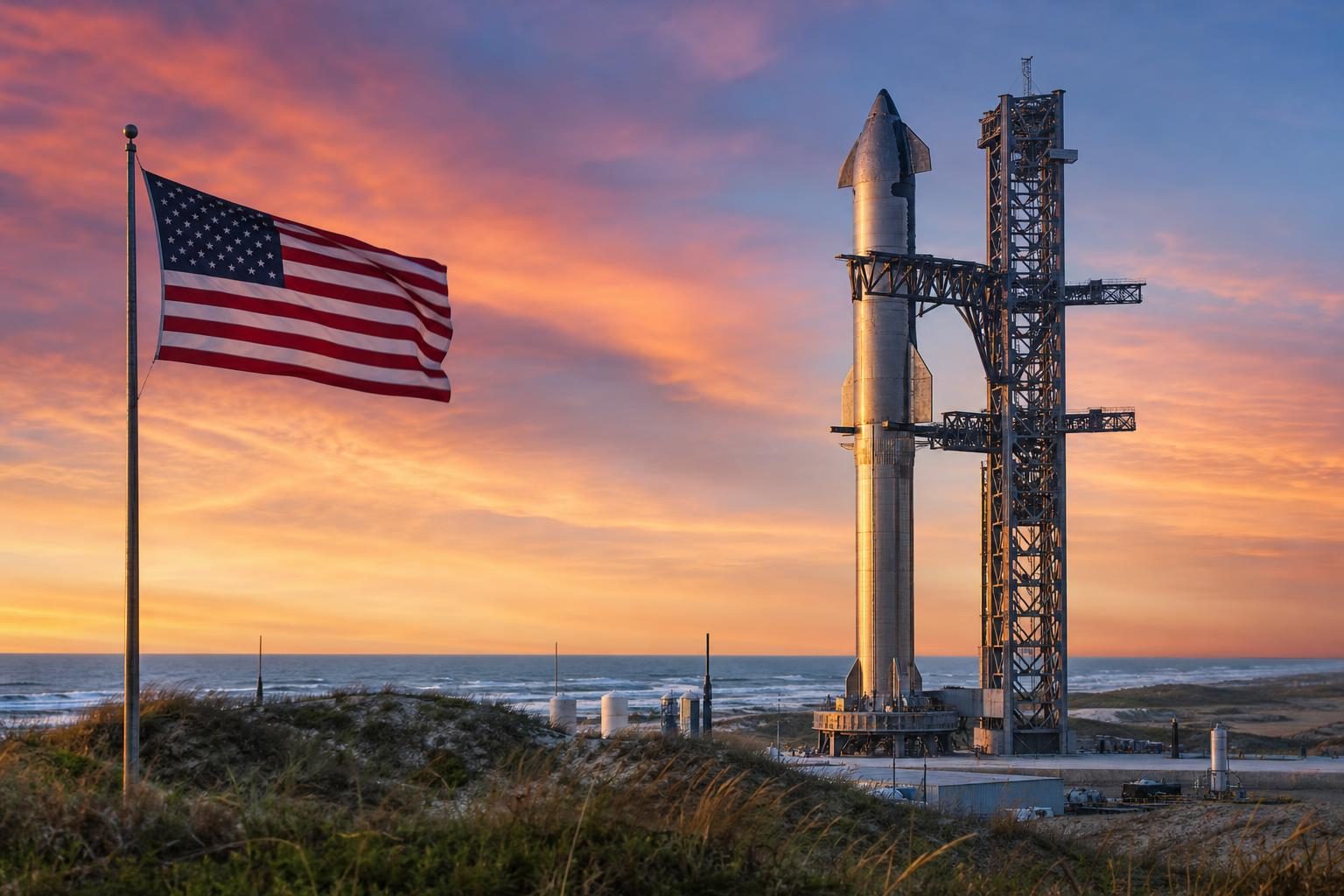
The 15th Starship flight, targeted for Nov. 13 from South Texas, would end with the launch tower catching the booster minutes after liftoff and the ship the next day after 14 orbits, pending FAA approval.
“Proclaim liberty throughout all the land”
Welcome, patriotReal news, faith and freedom from the nation’s capital. Join free and stand with a newsroom that answers to you, not to Washington.
Free, always. We never sell your email.