Energy & Environment
More Power, Thinner Cushion: Grid Watchdogs Say Data Centers Are Eating Into Winter's Safety Margin
Regulators say the grid enters winter with more generation than last year, but booming demand leaves less room for error. Delayed plant retirements are part of why the outlook holds.
By PRIYA DESAIStaff Correspondent · WASHINGTON · Nov 25, 8:30 PM · 3 min. read
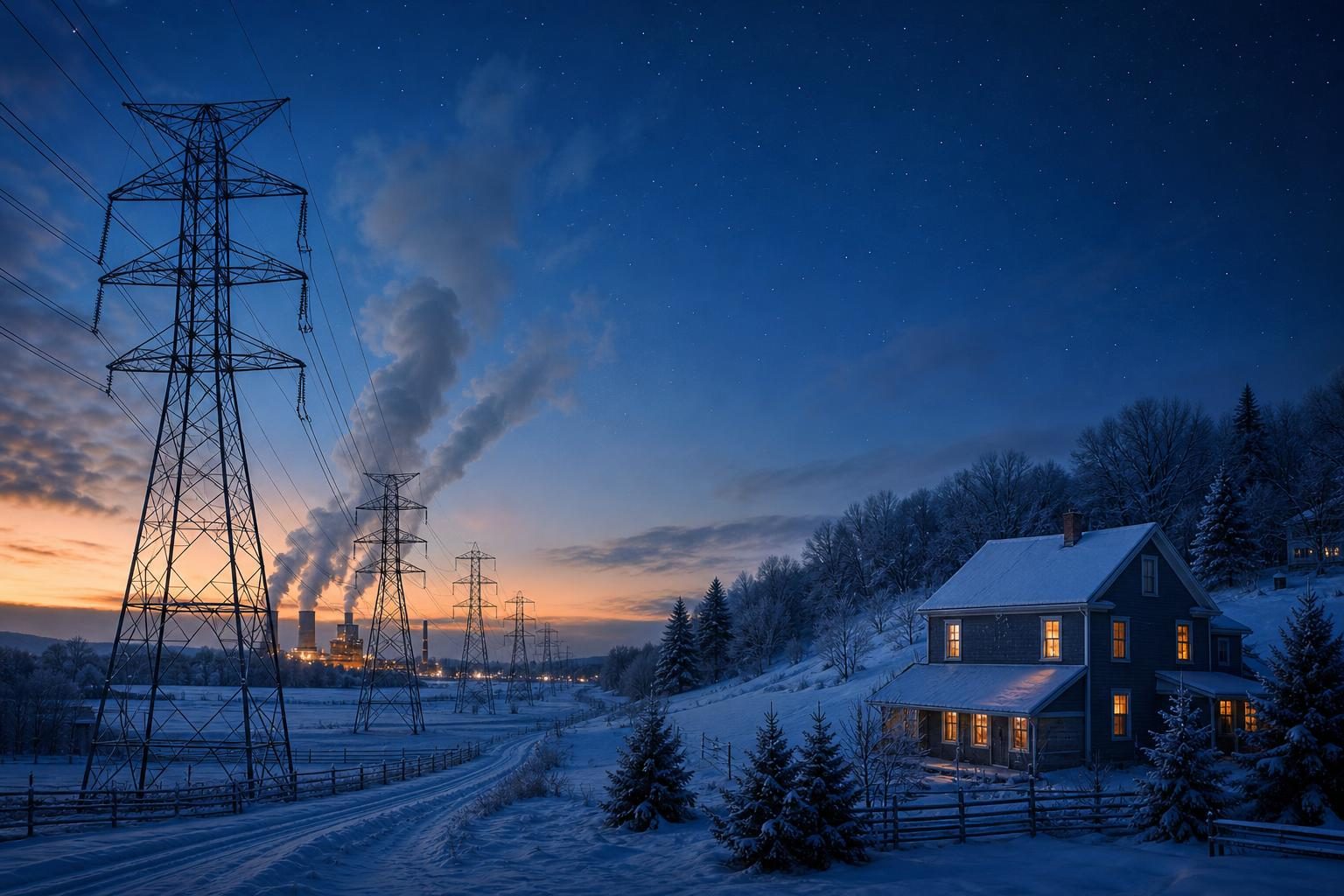
Illustration · Liberty Bell Report
America's power grid heads into the coldest months with more power plants available than a year ago, but the cushion between supply and demand is getting thinner, and the reason is the data center boom.
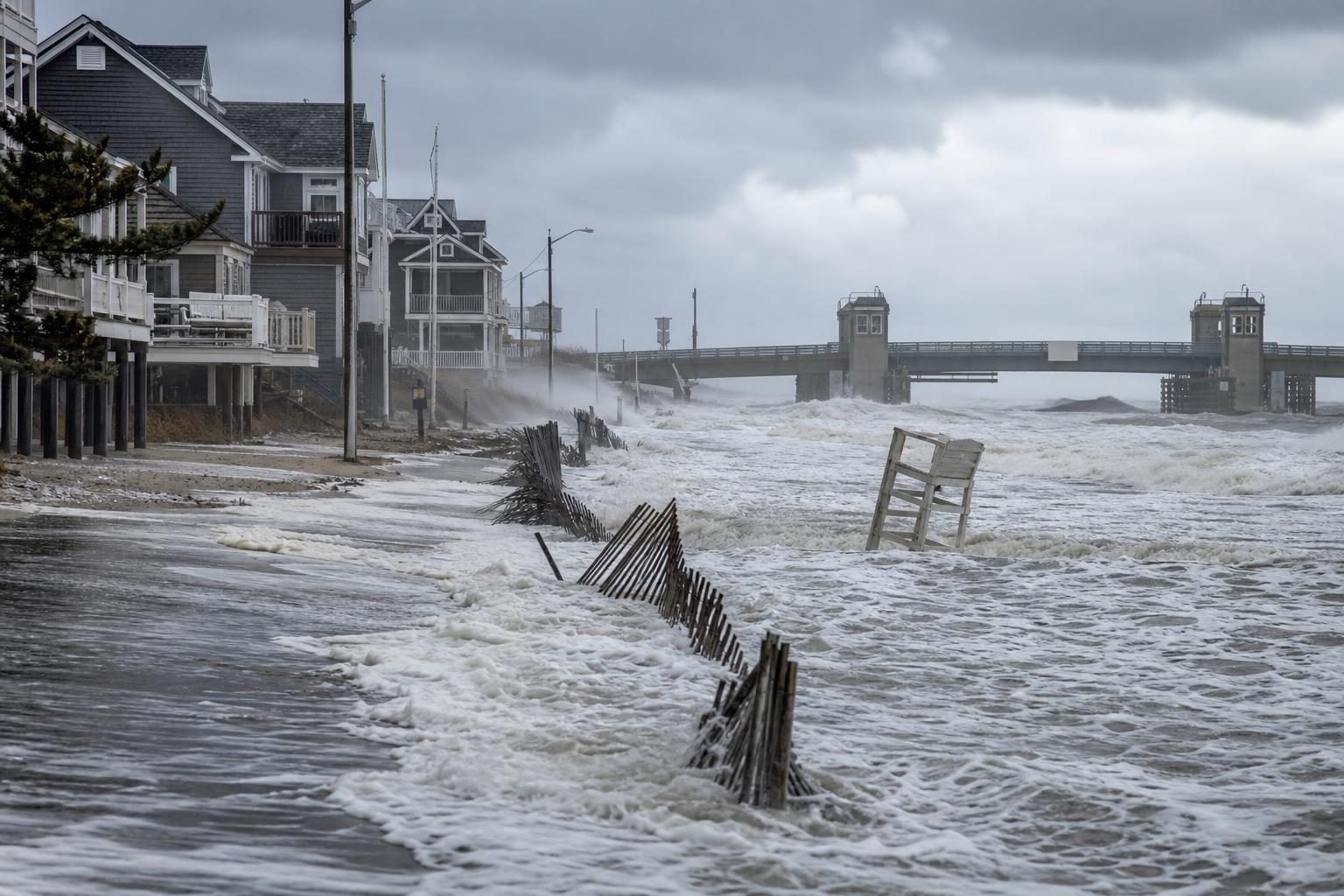
Federal energy regulators say the grid enters the 2026-27 winter with more generating capacity than last year, while surging demand from data centers leaves a smaller margin for error and raises the risk of outages during extreme cold, The Center Square reported Wednesday. The warning lands as a nor'easter sweeps the East Coast during the busiest travel week of the year and families turn up the heat.
What the reliability watchdog found
The North American Electric Reliability Corporation, the nonprofit that oversees the reliability of the bulk power grid, released its 2026-2027 Winter Reliability Assessment on Nov. 18. The report found no region at high risk of shortfalls this winter, but it rated three areas at elevated risk: Quebec, Canada's Maritime provinces and SERC-East, the region that covers much of the Carolinas.
NERC's computer modeling found the chance of running short of power this winter is limited, with the risk concentrated in early-morning hours in January, when cold snaps drive up heating demand, can knock generators offline and squeeze the power that can be imported from neighboring regions.
The bigger story is demand. Peak winter demand is up about 21 gigawatts from last winter, driven by data centers, large industrial customers and the growing use of electricity for heating and transportation, according to a summary of the assessment by VoltGrid News. In SERC-East, anticipated reserve margins fell to 15.5% from 17.9% a year earlier, barely above the 15% reference level the region aims for.
Why the outlook improved anyway
The report credits several factors for keeping the winter picture manageable: new generating resources coming online, delayed retirements of existing power plants and better performance by generators in cold weather. NERC's assessment notes that some coal unit retirements have been pushed back.
That point deserves attention. For years, utilities and regulators raced to close coal plants on aggressive timelines. The grid's own watchdog now counts the decision to keep some of those plants running as one of the reasons the lights are likely to stay on this January. Wind and solar have a role, but on a windless, frozen morning before sunrise, it is power plants that can run on demand that carry the load.
Last winter offers some encouragement. A joint review by the Federal Energy Regulatory Commission and NERC found the bulk power system performed well during the Arctic cold of early 2026, with no significant disruptions to electric or natural gas service. Better winterization of plants and gas supplies, a lesson learned the hard way in earlier storms, appears to be paying off.
The data center question
The tension is easy to see. Newsweek reported that new data centers will add pressure to the U.S. power grid this winter, as companies racing to build artificial intelligence capacity plug massive new loads into regional systems. One helpful trend: NERC found demand response programs, in which large customers agree to cut usage during emergencies, grew by about 1.9 gigawatts to 43.6 gigawatts, as more data centers and large loads signed up.
For families, the stakes are simple. When the grid runs tight, the first warning sign is often a request to conserve power during a cold snap. In a true emergency, operators can order rolling outages to protect the system, and in the dead of winter that can be dangerous for the elderly, the sick and young children.
What comes next
The surest protection for families is more reliable power, built faster: keeping dependable plants online until real replacements are ready, speeding permits for new generation and transmission, and making sure the companies building giant data centers pay for the power and grid upgrades they require rather than shifting those costs onto households. NERC's longer-term outlook warns of mounting challenges over the next decade as older plants retire and electricity demand from data centers keeps climbing.
For this winter, the message from the watchdogs is cautious optimism. The grid should hold, but the margin is thinner than it was, and January's coldest mornings will be the test.
Sources
- The Center Square: Federal regulator warns electric grid at risk in winter cold (link)
- North American Electric Reliability Corporation: 2026-2027 Winter Reliability Assessment (link)
- VoltGrid News: NERC Winter Reliability Assessment: 3 Areas Elevated, Demand Up 21 GW (link)
- Federal Energy Regulatory Commission: Arctic Events: A System Performance Review, Winter 2026 (link)
- Newsweek: New Data Centers Will Add Pressure to US Power Grid This Winter (link)
— 30 —