
 Last night on The Bottom Line with Douglas Park
Yes, Ask How They'll Pay for It: Why Seven New House Democrats Have the Right Idea
Some on the left call the pay-for question unfair. The price tags on the table say every voter deserves an answer, and a budget rule that can't be waived.
Filed November 28, 2026 · 📍 NY 12207
Were you there? Share your story
Key points
- Some House Democrats want a rule requiring new legislation to be paid for with tax increases or spending cuts.
- Progressive critics argue the 'how will you pay' question is unfair to Democrats.
- Estimates put Medicare at 60 at about $155 billion and full single-payer at roughly $32.6 trillion over ten years.
- Seven incoming House Democrats are pressing Hakeem Jeffries to restore PAYGO when the new Congress meets in January.
As Democrats prepare to take power in Congress, an old question is following them into the new year: how will you pay for that? [2] Some on the left say it is an unfair question. The price tags on the table say it is exactly the right one, and a group of incoming House Democrats appears to agree.
What Is Being Said
The New York Times, in a report carried by the Arkansas Democrat-Gazette, described a party confronting the cost of its own agenda. [1] Some House Democrats, including Rep. Scott Peters of California, have begun organizing behind a House rule that would require the cost of legislation brought to the floor to be covered by tax increases or spending cuts. [1] The Times reported that the tax increases many in the party already find acceptable would likely not cover the full scope of its plans, and that Rep. Richard Neal, the top Democrat on the Ways and Means Committee, has openly asked whether voters are willing to pay. [1]
Not everyone on the left welcomes the debate. Progressive commentators have pushed back on the question itself. One Substack essay argues that Americans already pay for universal health care through the premiums and costs of today's system, so the "how will you pay" challenge misses the point. [3]
The Numbers Behind the Question
The question matters because the proposals are large. House Democratic leader Hakeem Jeffries has endorsed lowering the Medicare eligibility age, adding new benefits and moving toward universal coverage for children, NBC News reported. [4] Each of those ideas carries a real cost. When the Congressional Budget Office studied lowering the Medicare age to 60, it found the change would cost about $155 billion over a decade, according to the Committee for a Responsible Federal Budget. [6]
Full Medicare for All is in a different league. A study by the Mercatus Center estimated that a national single-payer plan would increase federal spending by roughly $32.6 trillion in its first ten years. [5] Numbers like that help explain why the Times found that even the tax increases Democrats prefer would fall short of the agenda. [1]
The critics' argument that families already pay for health care is true as far as it goes. But moving those costs onto the federal ledger does not make them disappear. It turns premiums into taxes and leaves Congress, not families, deciding how much to spend and on what. Voters deserve to see that trade spelled out before they are asked to accept it.
A Fair Question for Both Parties
Fiscal conservatives should be the first to say that this question belongs to everyone. Republicans who cut taxes owe the country the same honesty about deficits, and the national debt does not care which party ran it up. A budget is a moral document as much as a financial one. Scripture warns that the borrower is servant to the lender, and a nation that borrows without limit hands that servitude to its children.
That is why the best news in this story comes from inside the Democratic caucus. The Washington Examiner reported that seven incoming House Democrats are pressing Jeffries to restore pay-as-you-go budgeting, known as PAYGO, so that new spending and tax cuts would have to be offset. [2] They deserve credit for taking the question seriously instead of dismissing it.
The Waiver Problem
The catch is enforcement. The Times reported that a PAYGO rule would not cover all spending, and that the versions adopted by earlier House Democratic majorities proved easy to waive. [1] A rule that leaders can set aside whenever a favored bill comes up is a press release, not a budget discipline.
If the new majority means it, there are simple tests. The rule should cover entitlement expansions as well as tax changes. Waivers should require a recorded vote, so every member owns the decision. And the offsets should be real, not timing gimmicks or promises about savings years down the road.
What Comes Next
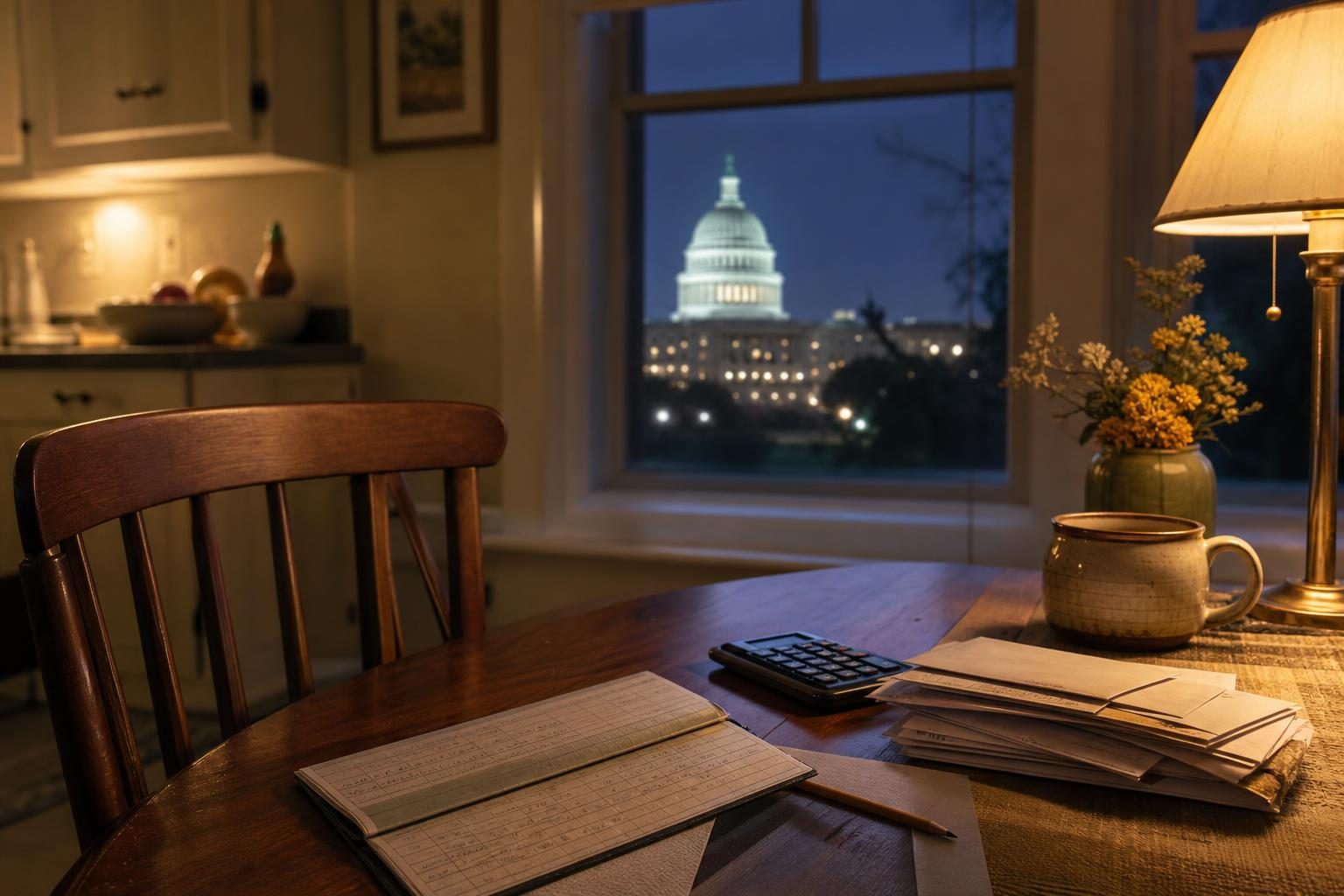
The House will settle its rules package when the new Congress convenes in January. [2] That vote will show whether the PAYGO push is a principle or a talking point. Americans who balance their own checkbooks every month are not asking for much. They want to know the price before they are handed the bill, and they want the people spending their money to answer the oldest question in budgeting without flinching.
Sources
- [1]Arkansas Democrat-Gazette (The New York Times)Democrats confront financing dilemmaOpens in a new tab ↗
- [2]Washington ExaminerSeven incoming House Democrats call to restore PAYGOOpens in a new tab ↗
- [3]The Cause (Substack)Stop Asking "How Will We Pay for Medicare for All?" We Already Do.Opens in a new tab ↗
- [4]Opens in a new tab ↗
- [5]Mercatus CenterThe Costs of a National Single-Payer Healthcare SystemOpens in a new tab ↗
- [6]Committee for a Responsible Federal BudgetMedicare at 60 Costs $155 Billion, According to CBOOpens in a new tab ↗
Have you ever been censored or shadow-banned on social media?
- Yes
- I think so
- No
- I'm not on social media
More in Pushback

Fed in His Name: The Christian Charities on This Year's NFL Cleats Are Doing What Jesus Asked
Last night on From the Bench with Margaret Callahan

Training Warriors, Not Activists: The Pentagon Is Right to Bring Officer Education Home From Brown
Last night on The Vance Edge with Sienna Vance

Even Bill Maher Sees It: Late Night Stopped Talking to Half the Country
Last night on The Liberty Bell Radio Hour with Luke Harrington
Were you there?
If you were at the scene, or this story touched your life, tell us what you saw and what it was like.
Discussion 0
Sign in or create a free account to join the discussion.
No comments yet. Start the discussion.